NCR Books Uses: A Practical Guide for Business Paperwork
Many NCR books uses are still important for South African businesses that need fast, reliable paperwork in the field, at counters, in workshops, or during deliveries. Even with digital systems, paper-based duplicate forms remain practical in many day-to-day operations.
NCR stands for no carbon required. These books use carbonless paper to create duplicate or triplicate copies when someone writes on the top sheet. This means a business can give one copy to a customer while keeping another for its own records.
NCR books are commonly used for invoices, receipts, delivery notes, job cards, order forms, and goods received notes. They are simple, portable, and easy to file when designed correctly.

Why Businesses Still Use NCR Books
Digital tools are useful, but they do not remove the need for practical written records. Many employees work away from desks, including drivers, technicians, contractors, sales representatives, warehouse teams, site supervisors, and service staff.
In these environments, a printed form can be faster and more reliable than opening an app, finding a signal, charging a device, or entering data on a small screen. NCR books also provide an immediate copy for the customer or internal department.
For companies that need structured forms, Total Print’s NCR book printing service supports customised layouts for invoices, delivery notes, job cards, receipts, and other common business documents.
Common NCR Books Uses
Invoices and Receipts
NCR books are often used for manual invoices and receipts. This is useful for mobile businesses, field sales teams, contractors, trade counters, and smaller operations that need to issue paperwork immediately.
A duplicate invoice book allows the customer to receive one copy while the business keeps another for its own records. Sequential numbering can help with filing, follow-up, and account reconciliation.
Delivery Notes
Delivery notes are one of the most common NCR books uses. A driver can obtain a signature when goods are delivered, leave one copy with the customer, and return another copy to the office.
This helps confirm that goods were received and can reduce disputes about timing, quantity, condition, or delivery address.
Job Cards
Job cards are useful for repair companies, installers, maintenance teams, workshops, and service departments. A technician can record the work completed, parts used, labour time, customer details, and approval signatures.
The customer can keep a copy while the office uses another for invoicing, stock control, reporting, or follow-up work.
Order Forms
Sales teams and field representatives often use NCR order forms when taking orders at customer premises, events, trade counters, or informal sales environments.
A clear printed order form can include product codes, customer details, order quantities, delivery instructions, payment terms, and contact information. This reduces the risk of missing details when orders are processed later.
Goods Received Notes
Warehouses and stores may use NCR books to record incoming stock. A goods received note can be signed and copied for purchasing, accounts, and warehouse records.
This is useful where stock moves quickly or where more than one department needs proof that goods were received.
Why Layout Matters in NCR Printing
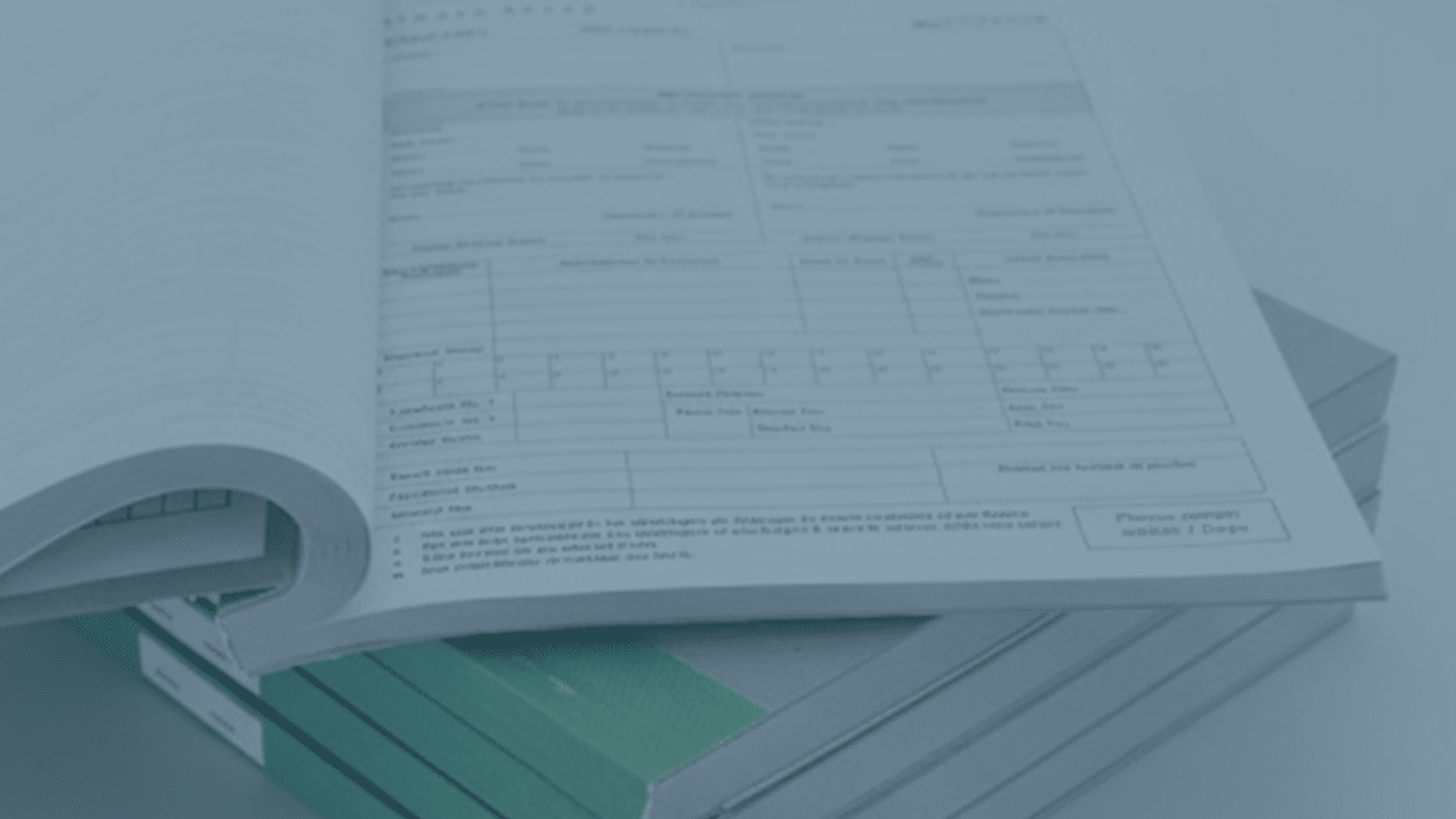
A good NCR book should be easy to complete quickly. The layout needs to guide the user through the correct information without confusion.
Important fields may include customer name, date, order number, VAT number, quantity, description, total amount, payment details, authorised signature, and staff name. If the form is too cramped, handwriting becomes harder to read and errors become more likely.
Each copy should also have a clear purpose. For example, the white copy may go to the customer, the yellow copy may stay in the book, and the pink copy may go to accounts. This should be decided before printing.
Duplicate, Triplicate, or Quadruplicate?
The right number of parts depends on how many people or departments need a copy. A duplicate book is suitable when one copy goes to the customer and one stays with the business.
Triplicate books are useful when a third copy is needed for accounts, warehouse, management, or another department. Quadruplicate books are less common, but they can be useful in logistics, manufacturing, and multi-branch operations where several records are required.

Record-Keeping and Administration
NCR books can support better administration because they create a physical paper trail. This can help with resolving customer queries, checking stock movement, confirming job completion, and supporting invoicing.
South African businesses should also understand their broader record-keeping responsibilities. SARS provides guidance on business record keeping, including keeping books of account and supporting documents in an orderly way.
NCR books work best when completed copies are filed properly, captured into accounting or operational systems where needed, and stored securely. They should support administration rather than replace it.
Matching NCR Books to Other Printed Materials
NCR books often form part of a broader business stationery system. A company may use NCR invoices, branded folders, business cards, quotation forms, product sheets, and printed service documents.
Keeping the same logo, colours, typography, and contact details across these items creates a more consistent customer experience. Businesses that want to align forms with wider documentation can consider Total Print’s print publications and document solutions for structured printed material.
For client-facing teams, NCR books can also work alongside branded folders when handing over quotes, service packs, delivery documents, or signed forms.
Cost and Quantity Considerations
The cost of NCR book printing depends on size, number of parts, number of pages per book, paper type, numbering, perforation, binding, and quantity.
Ordering too few books may lead to frequent reprints and inconsistent numbering ranges. Ordering too many can be wasteful if the form layout, pricing, contact details, or legal wording changes.
Businesses should review how often each form is used before choosing a quantity. A high-volume delivery team may need larger print runs, while a specialised service team may need fewer books with a more detailed layout.
FAQs
What are NCR books used for?
NCR books are used for handwritten duplicate records such as invoices, receipts, delivery notes, job cards, order forms, and goods received notes.
What does NCR mean in printing?
NCR means no carbon required. It refers to carbonless forms that create copies without separate carbon paper.
Are NCR books still useful for businesses?
Yes. NCR books are useful where teams need quick written records on-site, during deliveries, in workshops, or in field service environments.
Should NCR books be numbered?
Numbering is recommended for invoices, receipts, job cards, and delivery notes because it helps with tracking, filing, and record control.