
Flyers vs Brochures Explained for South African Businesses
Introduction
When South African businesses plan printed marketing material, one of the most common questions is whether to use flyers or brochures. The two formats are often spoken about as if they are interchangeable, yet they serve very different purposes. Choosing the wrong format can result in unclear messaging, poor engagement, or wasted printing spend.
The difference between flyers and brochures is not simply about size or folding. It relates to how much information needs to be communicated, how the material will be distributed, and how much time the reader is likely to spend engaging with it.
Understanding these differences helps businesses use print more strategically, rather than relying on habit or assumptions.
The flyers vs brochures distinction is primarily about structure and intent.
Flyers are single sheet printed documents, most commonly A5 or A4. They are designed to communicate a message quickly, often at a glance. Flyers usually focus on one promotion, event, or announcement and rely on short text, bold headings, and strong visuals.
Brochures are folded documents, such as bi-fold or tri-fold formats, that allow information to be broken into sections. They are designed to be read more carefully and often kept for later reference. Brochures support explanation rather than immediacy.
In practical terms, flyers create awareness, while brochures support understanding and decision making.
When Flyers Are the Right Choice

Flyers work best when speed and reach are the priority. They are ideal for campaigns where the goal is to get a message in front of as many people as possible in a short time.
Retailers commonly use flyers for sales, promotions, and special offers. Restaurants use flyers to advertise menus, openings, or limited-time deals. Event organisers rely on flyers to communicate dates, locations, and ticket details quickly.
Because flyers are cost effective at higher volumes, they are well suited to mass distribution methods such as door-to-door drops, counter displays, and handouts at busy locations.
Businesses that want consistent colour, clean text, and professional results typically use dedicated flyer printing rather than basic office printing, especially when flyers represent the first point of contact with new customers.
When Brochures Make More Sense
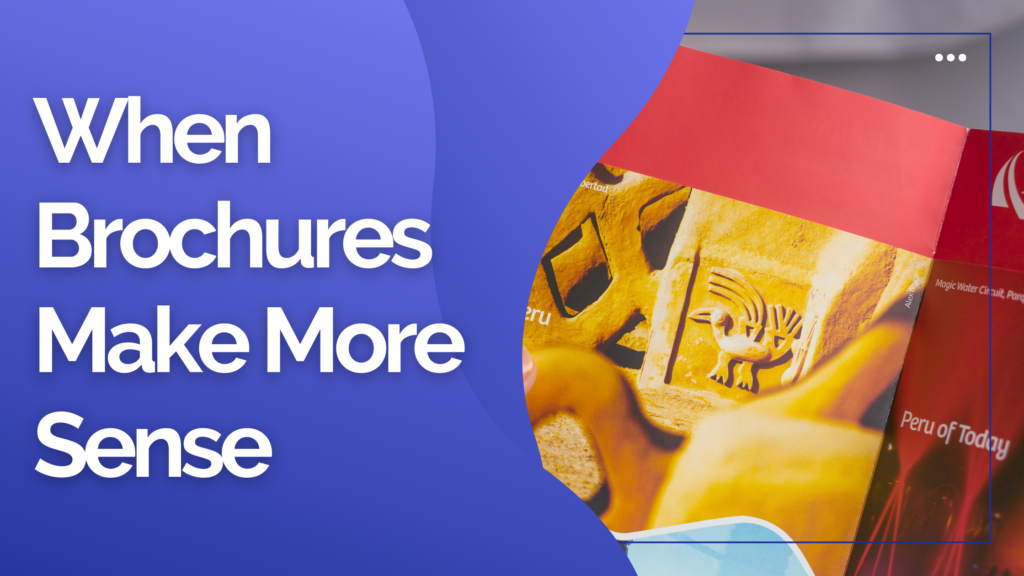
Brochures are better suited to situations where customers need more information before making a decision. They allow space for explanation, benefits, images, and structured messaging that cannot fit onto a single sheet.
Service-based businesses often use brochures to explain what they do, how their process works, and what clients can expect. Property developers use brochures to showcase layouts, finishes, and pricing ranges. Educational institutions and medical practices use brochures to communicate services clearly and professionally.
Because brochures are more detailed, they are usually distributed more selectively than flyers. Sales teams use them during meetings, and reception areas offer them to visitors who want to learn more.
Many companies produce brochures as part of broader corporate printing services so that brochures, letterheads, and presentation folders all follow the same brand guidelines.
Design and Content Considerations
Flyer design focuses on impact. Headlines must be clear and immediate, and the main message should be understood within seconds. There is little room for explanation, so the design needs to guide the eye quickly.
Brochure design focuses on flow and structure. Information is broken into sections, often starting with an overview and moving into detail. Good brochure design helps the reader navigate the content without feeling overwhelmed or confused.
Using a flyer when detailed explanation is required can leave readers with unanswered questions. Using a brochure when only a simple message is needed can result in unnecessary printing costs and lower engagement.
Cost Differences Between Flyers and Brochures
Cost is often a deciding factor when comparing flyers vs brochures.
Flyers are generally cheaper to print because they require less paper, simpler finishing, and minimal setup. This makes them suitable for short-term campaigns or promotions that change frequently.
Brochures cost more due to folding, additional design work, and often higher quality paper stocks. However, brochures usually have a longer lifespan and provide more value per unit when used as reference material.
Most South African businesses view flyers as disposable marketing tools and brochures as supporting sales or information documents. Understanding this difference helps align print spend with purpose.
Distribution and Practical Use
Flyers are designed for fast distribution and quick disposal. They perform well in busy environments where people are unlikely to stop and read for long.
Brochures are designed to be taken away and reviewed later. They are often kept in bags, desks, or vehicles until the reader has time to go through the content properly.
Storage, transport, and handling should also be considered. Flyers are easy to carry in bulk, while brochures require more care to avoid creasing or damage.
Choosing the Right Format for Your Business
Choosing between flyers and brochures should always start with the goal of the communication.
If the aim is to announce, promote, or attract attention quickly, flyers are usually the better option. If the aim is to explain, inform, or support a purchasing decision, brochures are more appropriate.
Many successful campaigns use both formats together. Flyers create initial awareness, while brochures provide deeper information once interest has been established.
For a general definition of brochure formats, see
https://en.wikipedia.org/wiki/Brochure
Conclusion
Flyers vs brochures is not about which format is better, but which format is more appropriate for the message. Flyers excel at speed and reach, while brochures excel at explanation and credibility.
By understanding how each format works and where it fits within a marketing strategy, South African businesses can make better print decisions and get more value from their printed materials.