
Promotional Products ROI: How South African Brands Can Measure Real Value
Why promotional products still earn budget
Promotional products ROI becomes much easier to defend when businesses stop treating branded items as generic giveaways and start treating them as campaign assets. A well-chosen promotional item can extend brand visibility, support a specific event or sales push, and keep the brand present in the recipient’s daily routine long after a meeting or activation ends.
That practical visibility is what makes the category commercially useful. Unlike one-off impressions, a diary, notebook, bottle, desk item, or premium accessory can remain in use for weeks or months. The question is not whether branded items can work. The better question is whether the item matches the audience, the context, and the business objective.
For that reason, the conversation should start with purpose before product. Total Print’s Promotional Items offering is most effective when businesses know whether they are rewarding staff, opening conversations at an event, reinforcing account relationships, or supporting a broader campaign. Different objectives produce different buying decisions.
What ROI means in this category
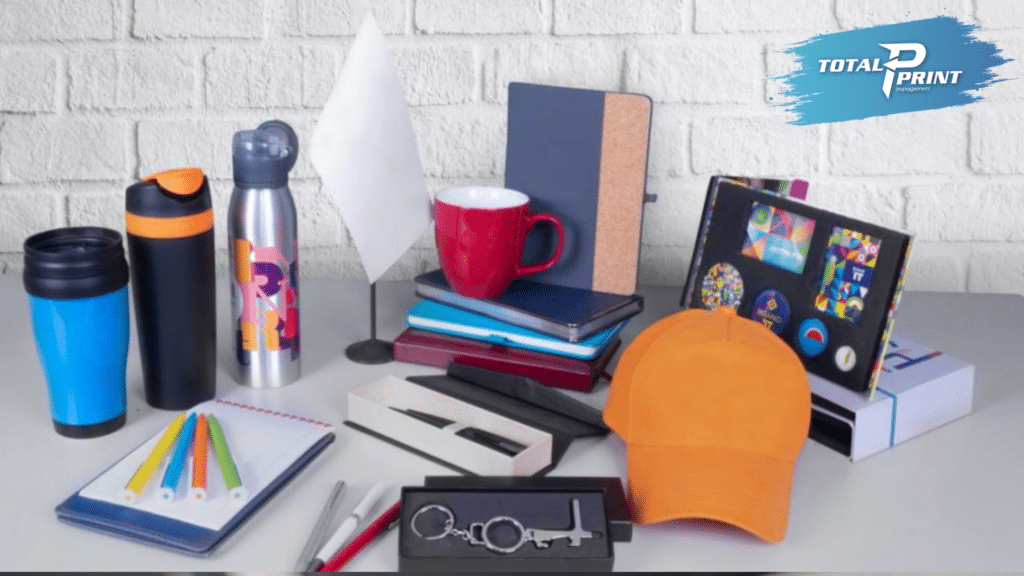
Return on investment in promotional products is not always measured as a direct and immediate sale. In many cases, the value sits across several outcomes: improved brand recall, better meeting follow-up, stronger client retention, greater event engagement, or a more memorable new-business interaction. That means measurement should reflect the real role the item is expected to play.
For example, a premium year-end gift for existing clients is usually not judged the same way as an activation giveaway at a trade show. One is relationship-focused. The other is designed for reach and recall. Both can produce value, but only if expectations are realistic and success is defined properly.
This is where many campaigns underperform. Businesses buy for volume before they buy for relevance. The result is a product that is inexpensive to order but easy to ignore. In contrast, a smaller quantity of genuinely useful branded items can produce a better result because recipients keep and use them.
Industry resources such as PPAI research on promotional product usage and retention are helpful because they focus attention on why recipients decide to keep certain items. Usefulness, perceived quality, and relevance matter. Those principles translate well to South African campaigns, even when the exact audience and budget differ.
How to improve promotional products ROI

The first lever is utility. Useful products are more likely to stay on desks, in cars, in bags, or in daily routines. That increases brand exposure without forcing the message. South African businesses often get better value from practical categories than novelty items, especially in B2B settings where professionalism matters.
The second lever is audience fit. An item for procurement managers should not necessarily be the same as an item for students, retail shoppers, field technicians, or conference delegates. Matching the item to the recipient increases the chance that it will be kept and used. This is where segmentation matters more than broad assumptions.
The third lever is campaign integration. Promotional products work harder when they are connected to another touchpoint. A branded gift handed over with a meeting pack, proposal folder, or event follow-up note tends to feel more intentional than a loose giveaway with no context. Businesses can strengthen that experience by combining promotional items with Custom Folders or leave-behind print packs that support the same message.
The role of quality and timing
Quality affects ROI more than many buyers expect. If an item breaks, fades, leaks, or feels poorly branded, it can have the opposite effect to the one intended. A cheap item is not automatically cost-effective. It only becomes good value if it performs well enough to protect the brand and justify the spend.
Timing matters too. A campaign item delivered too late for an event, onboarding cycle, or gifting window loses much of its value. Businesses that plan ahead usually have more control over branding methods, product choice, and packaging. They also avoid the narrow range of options that appears when everything becomes urgent.
This is one reason calendars and diaries remain commercially relevant in the right context. When selected carefully and delivered on time, Diaries and Calendars combine usefulness with long shelf life. They are not right for every campaign, but for annual planning and client retention they can carry a brand further than a short-lived giveaway.
How to measure results more intelligently
Promotional products ROI improves when businesses decide in advance what success looks like. For some campaigns, success might be the number of qualified conversations started at an event. For others, it may be better account engagement, improved recall during follow-up calls, or stronger adoption of a product launch message.
Simple tracking methods are often enough. Businesses can assign products to a specific campaign, team, or event; compare response quality by audience segment; or pair the item with a landing page, QR code, or meeting objective. Over time, that makes it easier to distinguish items that merely move volume from items that genuinely support commercial outcomes.
The strongest results come from disciplined selection, consistent branding, and a clear purpose. When branded merchandise is chosen with the same care as any other marketing asset, it stops being incidental spend and starts functioning as part of the brand’s revenue-supporting toolkit.
FAQs
How is promotional products ROI measured?
It can be measured through outcomes such as brand recall, event engagement, meeting follow-up, client retention, or campaign response, depending on the purpose of the item.
What makes a promotional product effective?
Usefulness, audience fit, perceived quality, and campaign relevance usually have the biggest impact on whether an item is kept and used.
Are cheaper promotional items better for ROI?
Not necessarily. Lower-cost items can underperform if they are low quality or irrelevant to the audience.
Which promotional products work well in B2B marketing?
Practical items such as notebooks, diaries, desk accessories, drinkware, and premium office-use products often perform well in B2B contexts.
Should promotional items be linked to other marketing assets?
Yes. They usually work better when combined with events, sales meetings, onboarding packs, or printed collateral that supports the same message.